
Paint is only as good as the people applying it. In NYC, where homes range from 1920s Tudors to postwar brick apartment buildings, the wrong contractor can leave you with drips, missed repairs, and paint that fails within a season. At Silva’s Painting, we have served New York homeowners and businesses since 1985, and our best customers are the ones who ask hard questions up front. Here is a practical checklist.
New York City requires a Home Improvement Contractor license from the Department of Consumer and Worker Protection for residential repair or remodeling work costing more than $200, according to the city’s home improvement shopping guide. Whether a straight painting job falls under that rule can depend on what else the project includes, so ask the contractor directly and look them up with the city’s license search or by calling 311.
Whatever the licensing answer, always ask for proof of general liability insurance and workers’ compensation. If a painter is hurt on a ladder at your property and has no coverage, you could be exposed. Silva’s Painting is fully licensed and insured, including workers’ compensation.
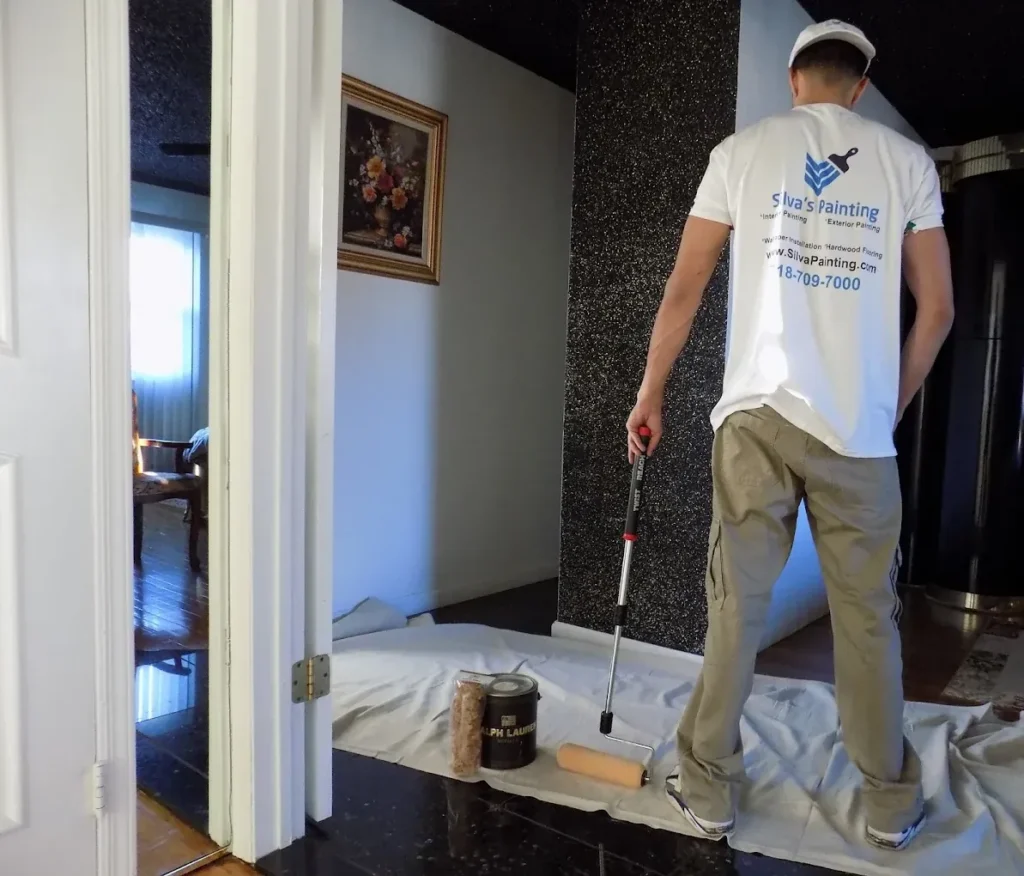
A good painter will describe the prep in detail. Ask how they handle scraping, sanding, patching, caulking, and priming. Ask who moves and covers furniture and who cleans up at the end. If your building was built before 1978, ask whether the crew follows lead safe work practices and holds the required EPA certification.
Our residential painting services include prep and cleanup as part of the job, which is how it should be.
The city advises that the contract be written, signed by both parties, and delivered to you before work starts. It should list the work, the materials, key dates, any payment schedule, and warranties. The city also recommends paying no more than 25 percent of the total upfront and never paying in cash. Never pay in full before the work is finished.
The estimate visit is your best chance to judge a painter before any money changes hands. Ask who will actually be doing the work, whether the crew are employees or subcontractors, and who your point of contact will be if something comes up during the job.
Ask how they will protect floors, furniture, and fixtures, how they handle daily cleanup, and what happens if they find damaged plaster, rotted wood, or peeling paint once work starts. A professional will answer clearly and explain how surprises are priced before they become a problem.
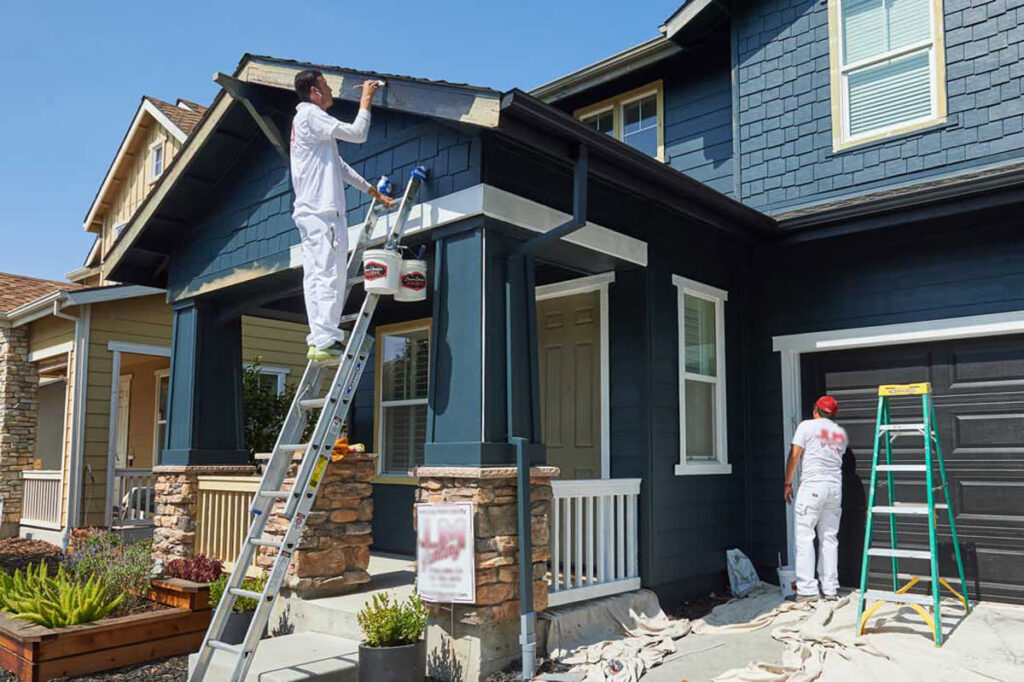
Be cautious of any painter who asks for most or all of the money up front. A reasonable payment schedule ties payments to progress, with the final payment due after you have walked the job and are satisfied with the result.
Pay by check or another traceable method rather than cash, and keep copies of your contract, receipts, and any written change orders. Clear records protect you if there is ever a disagreement and make it easier to get help from New York City consumer protection officials if you need it.
Ask to see finished projects in homes like yours. Reading what past customers say also helps, and you can browse feedback on our reviews page. Look for patterns in comments about communication, cleanliness, and whether the crew showed up when promised.
Hiring the right painter comes down to a few simple checks: confirm licensing and insurance, get a detailed written contract, keep payments tied to progress, and look at real finished work. A contractor who answers your questions clearly before the job starts is far more likely to communicate well once the crew is in your home.
The best way to judge a painter is to talk with them. Silva’s Painting has served New York homeowners and businesses since 1985 and is fully licensed and insured, including workers’ compensation. Contact Silva’s Painting or call (718) 709-7000 to schedule a free estimate, and feel free to ask every question on this list.
Monday to Saturday: 7:00 AM to 7:00 PM
Sunday: 10:00 AM to 4:00 PM