
Painting an apartment in New York City is not the same as painting a house. The walls cover less area, but ceilings, trim, radiators, window frames, and older plaster add detail work that a simple square foot formula misses. Access, building rules, and elevator scheduling also play a role. Silva’s Painting has been painting New York apartments and homes for decades, and the factors below are the ones we weigh most when we estimate a unit.
A studio in Astoria and a three bedroom in Forest Hills can look similar on paper and still price very differently, because the work lives in the details.
Square footage and ceiling height set the baseline. From there, pricing shifts with the number of rooms, whether ceilings and trim are included, the condition of the walls, and how dramatic the color change is. Going from a dark accent wall to white usually needs primer and extra coats, while a light to light refresh is much simpler.
Furnishings matter as well. A mostly empty unit is faster to paint than one full of furniture that has to be moved, covered, and moved back. Closets, doors, and built in shelving also count, even though they are easy to forget when you picture the project.
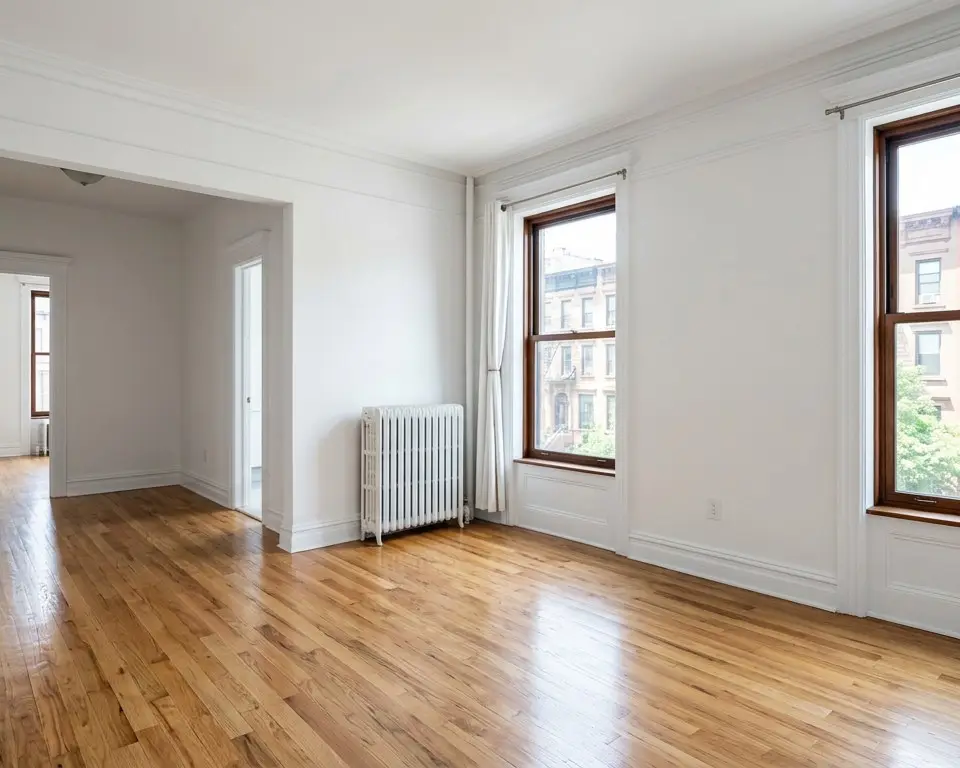
Wall condition matters a great deal. Plaster in prewar buildings in neighborhoods like Forest Hills, Jackson Heights, and Sunnyside may have hairline cracks, patched areas, or many layers of old paint that need careful prep. The National Park Service’s guide to repairing flat plaster shows why patient repair work pays off in the finished look.
Ask your painter to describe the prep in the estimate. Patching, sanding, and priming are where a lasting result comes from, and they take real labor.
Many NYC co-ops and condos have rules about working hours, insurance certificates, and elevator use. Those requirements can affect scheduling and sometimes cost. If you live in a managed building, ask your management office what it needs from a contractor before you book, and share that list with every painter who bids.
Our interior painting team is used to working around building requirements and can supply the paperwork buildings commonly request, including proof of insurance.
If you rent in a building with three or more apartments, New York City’s Housing Maintenance Code generally requires the owner to paint apartments every three years. That is the landlord’s responsibility, not an extra the tenant has to request or pay for.
Tenants who want a different color than the building standard, or who want painting done sooner than the regular cycle, may need permission and may be asked to cover the cost. Check your lease, talk with your landlord or managing agent, and get any agreement in writing before work begins.
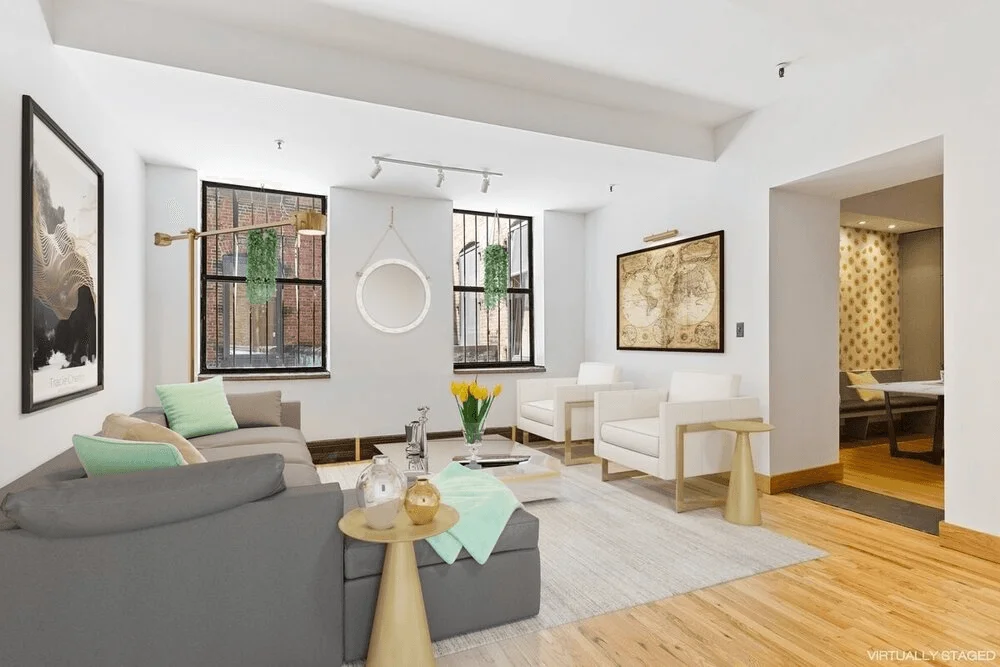
Keeping walls and ceilings in the same color family reduces cutting in and the number of paint products needed. Moving furniture to the center of rooms, emptying closets you want painted, and taking down shelves and curtains ahead of time also shorten the job.
If several rooms need work, painting them all in one visit is usually more efficient than spreading the project over months. Ask your painter which repairs are essential and which can wait, so your budget goes to the work that makes the biggest difference.
Before you accept a bid, verify who you are hiring. Start with the city’s license lookup and request proof of insurance. Compare written estimates that spell out rooms, coats, paint brand, and repairs so you are comparing like with like.
The price of painting an apartment in NYC depends less on a simple square foot number and more on the details: wall condition, ceilings and trim, color changes, furniture, and your building’s rules. Knowing those factors ahead of time helps you set a realistic budget and compare bids on equal terms, so the number you agree to is the number you actually pay.
Every apartment is a little different, which is why we price after seeing the space. Silva’s Painting offers free estimates, with 24 hour estimates available. Request your free apartment painting estimate or call (718) 709-7000.
Monday to Saturday: 7:00 AM to 7:00 PM
Sunday: 10:00 AM to 4:00 PM